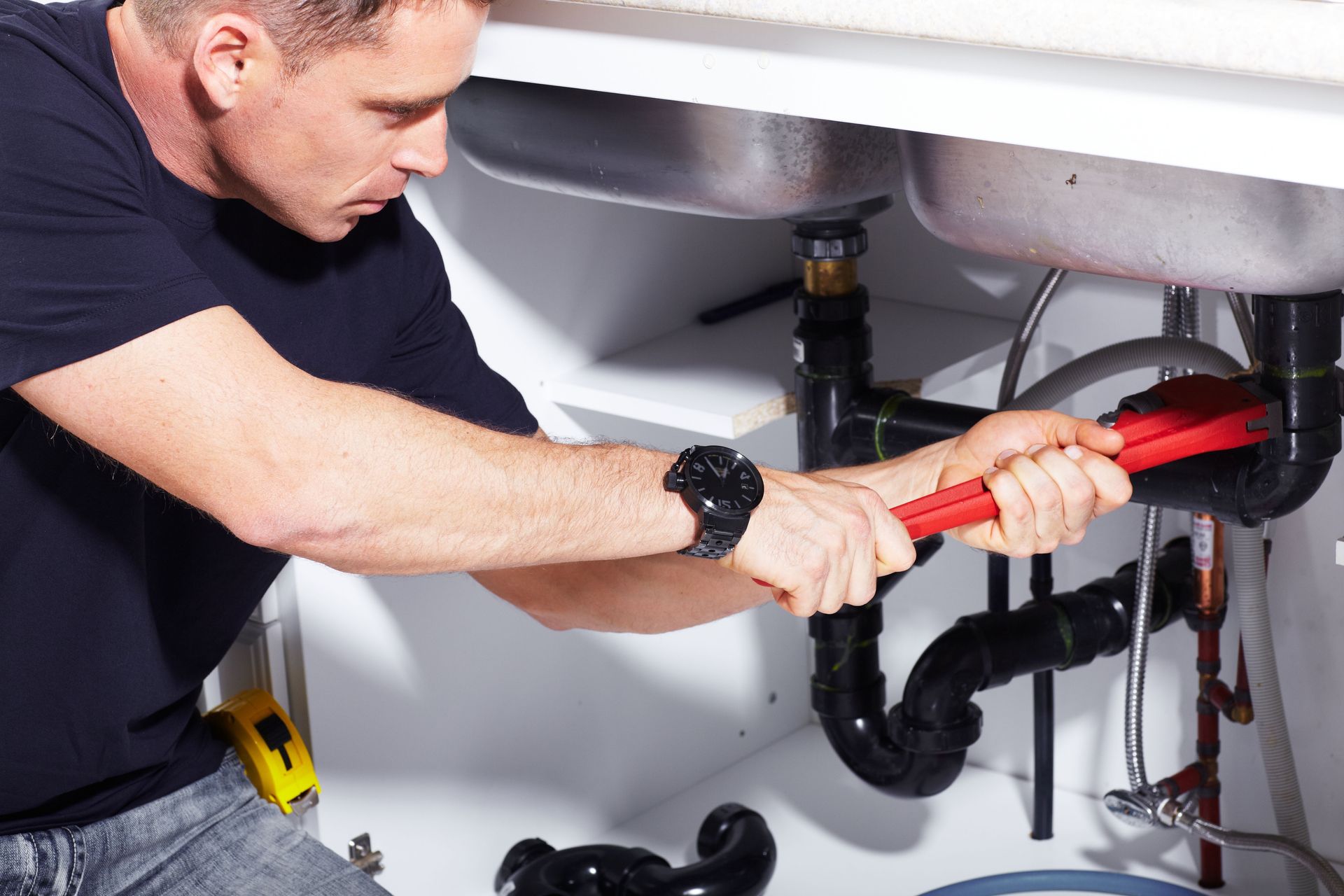
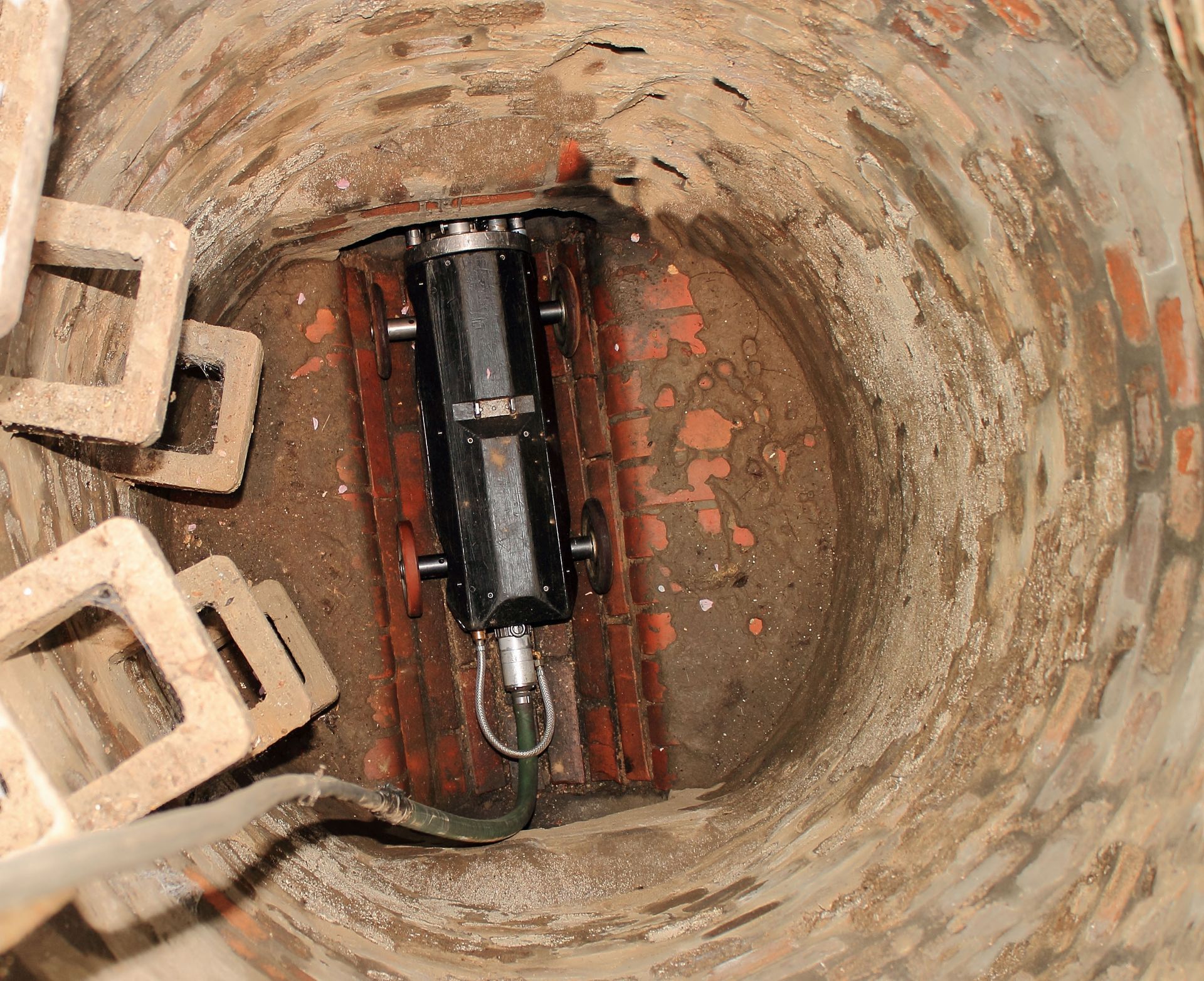
How Commercial Plumbing Companies Improve Building Efficiency
February 25, 2026

February 25, 2026

Modern commercial buildings rely on far more than visible architecture to operate efficiently. Behind walls, beneath floors, and above ceilings, plumbing systems quietly support daily operations, occupant comfort, and long-term performance. When these systems function well, buildings consume fewer resources, experience fewer disruptions, and remain easier to manage. That is where experienced providers like B&E Plumbing play a critical role, helping property owners and facility managers align plumbing performance with broader efficiency goals.


Understanding Efficiency in Commercial Plumbing Systems

Efficiency in commercial plumbing goes beyond water delivery. It involves balancing pressure, flow, temperature control, and system durability while minimizing waste. Commercial plumbing companies evaluate how systems interact with building usage patterns, ensuring that water moves only when and where it is needed. B&E Plumbing approaches efficiency as a system-wide objective rather than a single upgrade, focusing on performance consistency across large-scale facilities.


When systems are designed, maintained, and optimized correctly, even small adjustments can translate into substantial savings across multi-tenant or high-occupancy properties. According to the American Society of Plumbing Engineers (ASPE), commercial plumbing systems account for nearly 40% of total water usage in large urban areas. That statistic highlights why efficiency improvements have such a measurable impact.


Reducing Water Waste Through System Optimization

Water waste often occurs silently in commercial environments. Undetected leaks, inefficient fixtures, or outdated distribution layouts can increase usage without obvious warning signs. Commercial plumbing companies specialize in identifying these inefficiencies through system inspections and performance testing. B&E Plumbing focuses on improving water distribution accuracy so that demand is met without excess strain or loss.


By addressing inefficiencies at the system level, facilities benefit from improved reliability and reduced operating costs. Optimized plumbing systems also support sustainability initiatives, helping buildings meet internal conservation goals and external compliance requirements without sacrificing performance.


Improving Energy Performance Through Plumbing Design

Plumbing and energy usage are closely connected, especially in buildings that rely on hot water for daily operations. Inefficient plumbing layouts can increase energy demand by forcing systems to work harder to maintain temperature and pressure. Commercial plumbing companies help mitigate this issue by improving circulation design and reducing heat loss throughout the system. B&E Plumbing applies practical strategies that support energy efficiency without disrupting daily operations.


When hot water reaches fixtures faster and maintains consistent temperatures, buildings reduce the need for extended heating cycles. Over time, these improvements support lower energy consumption and help stabilize utility costs across large facilities.


Supporting Building Automation and Smart Controls

As commercial buildings become more automated, plumbing systems must integrate seamlessly with smart technologies. Sensors, automated valves, and monitoring platforms provide real-time insights into usage and performance. Commercial plumbing companies play a key role in ensuring these components work together effectively. B&E Plumbing supports system compatibility by aligning plumbing infrastructure with automation goals.


Smart plumbing controls allow facility managers to identify unusual usage patterns quickly, address issues proactively, and maintain efficiency even as building demands shift. This level of visibility transforms plumbing from a reactive system into a managed asset.


Enhancing Reliability in High-Demand Environments

Commercial buildings often experience fluctuating demand throughout the day. Office complexes, healthcare facilities, and hospitality spaces all rely on plumbing systems that can adapt without failure. Commercial plumbing companies design and maintain systems that accommodate peak usage while preserving efficiency during low-demand periods. B&E Plumbing prioritizes balance, ensuring systems remain responsive without unnecessary strain.

Reliable plumbing performance reduces downtime, protects building operations, and prevents emergency repairs that disrupt efficiency. Consistency in system behavior allows occupants and staff to rely on plumbing without hesitation.


Preventing Costly Downtime Through Proactive Service

Unexpected plumbing failures can bring entire operations to a halt. Commercial plumbing companies focus on proactive service strategies that identify potential issues before they escalate. B&E Plumbing works with facility teams to establish maintenance plans that support efficiency while minimizing disruptions.


Proactive service helps extend system lifespan and ensures that components operate within intended parameters. By addressing wear early, buildings avoid costly downtime and preserve efficiency across all plumbing-dependent systems.


Adapting Systems to Changing Building Use

Buildings evolve over time, and plumbing systems must evolve with them. Changes in occupancy, layout, or operational purpose can place new demands on existing infrastructure. Commercial plumbing companies assess how these changes affect efficiency and recommend adjustments that align systems with current needs. B&E Plumbing approaches adaptability as an essential part of long-term efficiency planning. Whether a space transitions from low to high occupancy or shifts its functional use, plumbing systems must support those changes without introducing inefficiencies or performance issues. Proactive evaluation helps prevent capacity shortfalls that could otherwise lead to increased wear or service interruptions.


Flexible plumbing systems allow buildings to respond to growth or reconfiguration without excessive retrofitting. This adaptability supports efficient use of resources while protecting the original system investment. Thoughtful planning also helps reduce disruption during renovations, allowing plumbing adjustments to be made with minimal impact on daily operations and tenant comfort. It also supports smoother timelines and more predictable project outcomes for property managers.


Improving Indoor Comfort and User Experience

Efficiency is not only about numbers; it also affects how occupants experience a building. Inconsistent water pressure, temperature fluctuations, or delayed delivery can negatively impact comfort and productivity. Commercial plumbing companies address these issues by refining system performance. B&E Plumbing focuses on creating stable, predictable plumbing experiences that support occupant satisfaction across offices, healthcare environments, and shared facilities.


When systems operate smoothly, users spend less time reporting issues and more time focusing on their work. Improved comfort contributes indirectly to efficiency by reducing service calls and operational distractions. Consistent performance also builds confidence among occupants, reinforcing a positive perception of the building as a well-managed and dependable space.


Supporting Compliance and Sustainability Goals

Many commercial buildings operate under strict regulatory and sustainability standards. Commercial plumbing companies help facilities meet these requirements through efficient system design and maintenance practices. B&E Plumbing works within established codes and performance benchmarks to support compliance without compromising functionality or reliability.


Efficient plumbing systems also contribute to broader environmental initiatives by reducing water and energy consumption. These improvements help buildings demonstrate responsible resource management while maintaining operational reliability. Over time, consistent compliance supports long-term planning and simplifies future upgrades or inspections.


Long-Term Value Through Strategic Plumbing Planning

Efficiency improvements deliver the greatest value when they are planned with long-term performance in mind. Commercial plumbing companies help building owners make informed decisions that balance immediate needs with future demands. B&E Plumbing emphasizes strategic planning that supports durability, scalability, and consistent efficiency. This forward-looking approach helps facilities avoid reactive spending while maintaining steady system performance as operational demands continue to change.


Well-planned plumbing systems reduce the frequency of major overhauls and allow buildings to adapt gradually over time. This approach protects capital investments and supports stable operating costs.


Efficient plumbing systems are foundational to modern commercial buildings. Through thoughtful design, proactive service, and system optimization, commercial plumbing companies help facilities operate more reliably while using fewer resources. From reducing water waste to supporting automation and occupant comfort, experienced providers deliver value that extends far beyond pipes and fixtures. For organizations seeking dependable improvements, partnering with commercial plumbing companies like B&E Plumbing creates opportunities for lasting efficiency and smarter building performance.


If your facility is focused on improving operational efficiency and system reliability, working with experienced commercial plumbing companies can make a measurable difference.

April 25, 2026
Protecting a commercial water supply from contamination is a fundamental responsibility for any property owner or manager. One of the most critical aspects of this process is ensuring that regular backflow testing is performed to verify the integrity of the plumbing system. Backflow occurs when water flows in the reverse direction from its intended path, which can happen due to sudden drops in city water pressure or high-pressure events within a building. When this happens, non-potable substances like chemicals, fertilizers, or stagnant water can be pulled into the clean drinking water supply. This poses a significant risk to the health of employees, customers, and the public. By prioritizing regular backflow testing, a business demonstrates a commitment to high operational standards and safety. These procedures are not just about checking a box for a local utility company; they are about maintaining a resilient infrastructure that can handle the daily demands of a commercial environment. A proactive approach to plumbing safety ensures that the facility remains a safe and reliable space for everyone who enters. Through consistent monitoring and professional oversight, business owners can prevent unforeseen emergencies that might otherwise lead to costly service disruptions or health crises. Water safety is a core component of professional facility management in the modern world. By implementing these rigorous safety protocols, a company secures its future and protects the vital resources it relies on for daily success and long-term sustainability. This dedication to excellence ensures that the business remains a reliable part of the community for years to come. Every business owner should view water safety as a foundational element of their overall facility management strategy. Essential Fundamentals Of Water Safety Backflow represents a critical failure in the plumbing system that can lead to widespread contamination if left unaddressed. This unwanted reverse flow is often the result of changes in pressure within the piping network. In many commercial settings, such as restaurants, medical clinics, and manufacturing plants, the risk is particularly high because of the types of equipment connected to the water lines. Without the proper mechanical barriers and routine backflow testing, there is no way to guarantee that pollutants are not entering the potable water system during a pressure fluctuation. These devices are designed to act as one-way gates, but they are mechanical in nature and can wear down over time. Debris, mineral buildup, or simply the age of the components can cause a valve to fail when it is needed most. This is why a regular testing schedule is so important for identifying these weaknesses before an actual backflow event occurs. By keeping these systems in top condition, a business protects both its physical assets and the people it serves every day. This technical oversight is necessary to maintain the high standards required by modern safety codes and to ensure the plumbing system operates without fail under various conditions. A proactive stance on plumbing safety allows a business to focus on its core goals without the looming threat of a preventable utility crisis. Protecting Public Health Through Verification The introduction of pollutants into a drinking water supply can have devastating consequences for a community. Backflow incidents have been known to introduce everything from boiler chemicals to hazardous bacteria into the water lines of unsuspecting businesses. When these contaminants reach the tap, they can cause serious illness or long-term health complications for anyone who consumes the water. Proper protocols for backflow testing help mitigate these risks by providing a documented verification that the safety devices are working as intended. A company that invests in professional testing is making a clear statement that they value the well-being of their staff and the public. In many cases, the symptoms of water contamination can be subtle at first, leading to a delay in identifying the source of the problem. By the time a backflow event is discovered, the damage to the company's reputation and the health of the community may already be significant. Proactive maintenance and regular inspections allow a business to catch potential failures early, preventing a minor mechanical issue from turning into a public health emergency. This diligence is a cornerstone of responsible business ownership in any industry that utilizes a public water connection for its daily operations. When a company invests in backflow testing, they are actively choosing to protect their local community from preventable waterborne illnesses. Navigating Regulatory Compliance For Stability For most commercial enterprises, staying compliant with local water safety codes is a legal necessity. Municipalities and water purveyors have strict requirements for the installation and maintenance of safety devices to protect the public grid. These rules often mandate that backflow testing be performed by a certified professional on an annual basis. Failing to submit the required paperwork can result in heavy fines, the suspension of water service, or even legal action against the property owner. By maintaining a detailed history of all inspections and repairs, a business can prove its compliance and avoid the administrative headaches associated with code violations. Local authorities keep close track of these records, and being proactive about filing can help a business maintain a positive relationship with city inspectors. It is much easier to manage a planned inspection than it is to deal with the fallout of an expired permit or a failed audit. A well-managed facility is one where all safety certifications are kept up to date, ensuring that operations can continue without interruption. This focus on compliance also protects the business from liability in the event of an unforeseen plumbing incident, as they can prove that they followed all required safety protocols and maintained their equipment to the highest standards. Keeping accurate and accessible records is the only way to safeguard against future legal challenges or regulatory inquiries. Optimizing Mechanical Systems For Efficiency In addition to legal requirements, the efficiency of a building's mechanical systems depends heavily on regular upkeep. According to the U.S. Department of Energy (DOE), staying current with routine boiler upkeep can boost energy effectiveness by approximately one-tenth and substantially increase the operational life of the equipment. In a similar way, regular backflow testing helps ensure that the plumbing system as a whole is functioning at its peak. When a safety valve is clogged with sediment or has a worn gasket, it can cause pressure imbalances that put unnecessary stress on other parts of the system. Identifying and fixing these small issues during a routine test prevents them from escalating into major repairs that could shut down operations. Reliability in the water system translates directly to reliability in the business's overall service delivery and the satisfaction of every customer who visits the facility during standard operating hours. Business owners must understand the importance of regular maintenance for all mechanical systems. Backflow testing is a critical aspect of maintaining a safe and compliant business operation. By understanding the risks, benefits, and regulatory requirements, businesses can safeguard their water supply, ensure customer confidence, and avoid costly liabilities. Adhering to best practices in backflow prevention and consistently engaging qualified professionals ensures effective protection of water systems. Businesses not only mitigate risks and liabilities but also contribute positively to public health and environmental sustainability. In an era where water safety is paramount, proactive backflow testing stands as a testament to responsible business practices and community welfare. By maintaining high standards for every aspect of the plumbing system, a company ensures that its physical infrastructure supports its broader goals for growth and reliability. The investment made in these safety checks is returned through the longevity of the equipment and the continued safety of everyone who uses the facility. Taking a long-term view of water management helps a business avoid the pitfalls of neglect and enjoy the benefits of a well-maintained, high-performance plumbing system. This commitment to safety is a vital part of running a successful and ethical enterprise in today's world. To keep your facility in top shape and remain compliant with all local water safety laws, contact B&E Plumbing today.
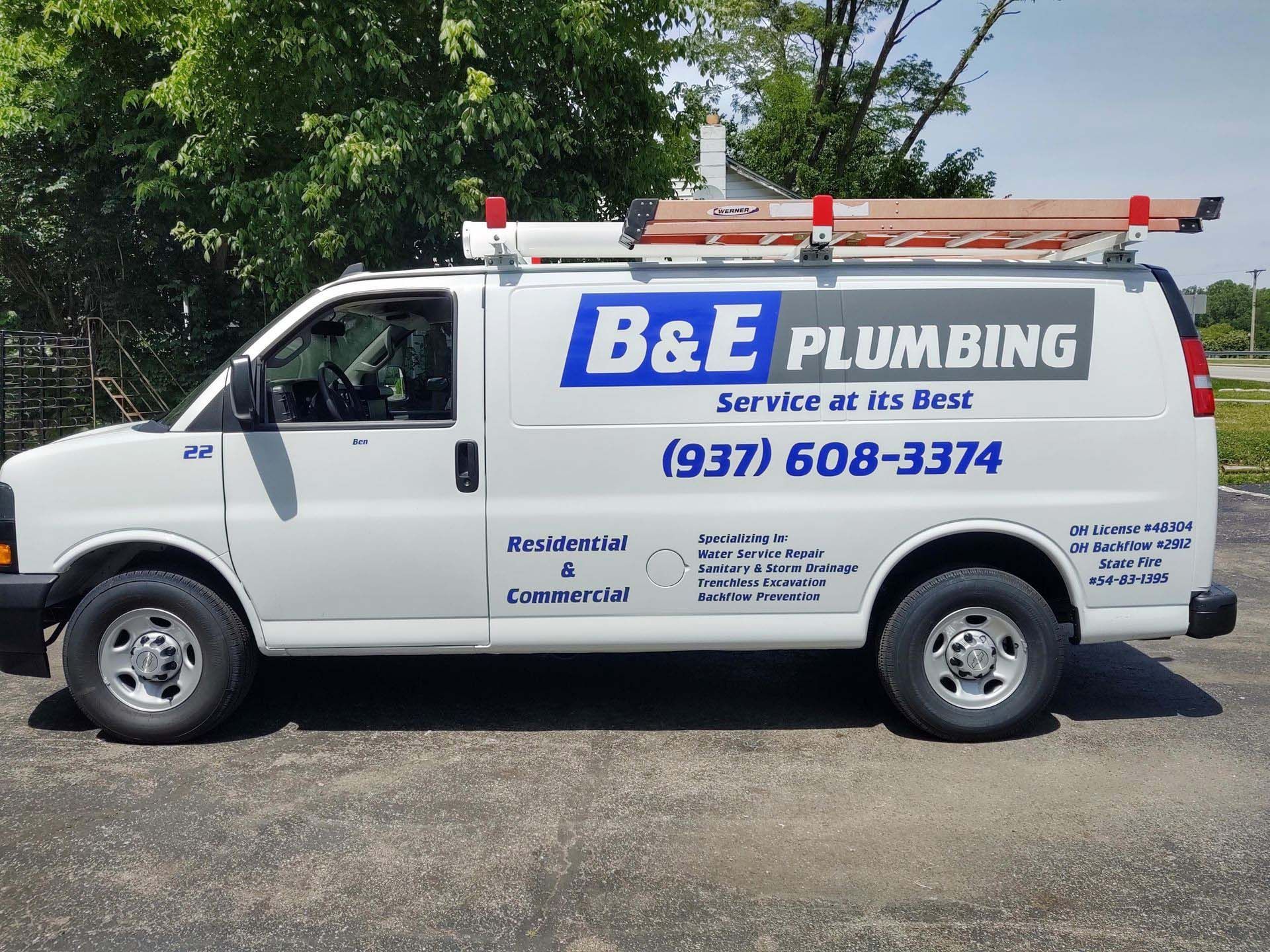
local plumber
April 24, 2026
Keep your home’s sewer lines flowing smoothly. Contact B&E Plumbing today for expert inspections and repairs from a trusted local plumber you can depend on!
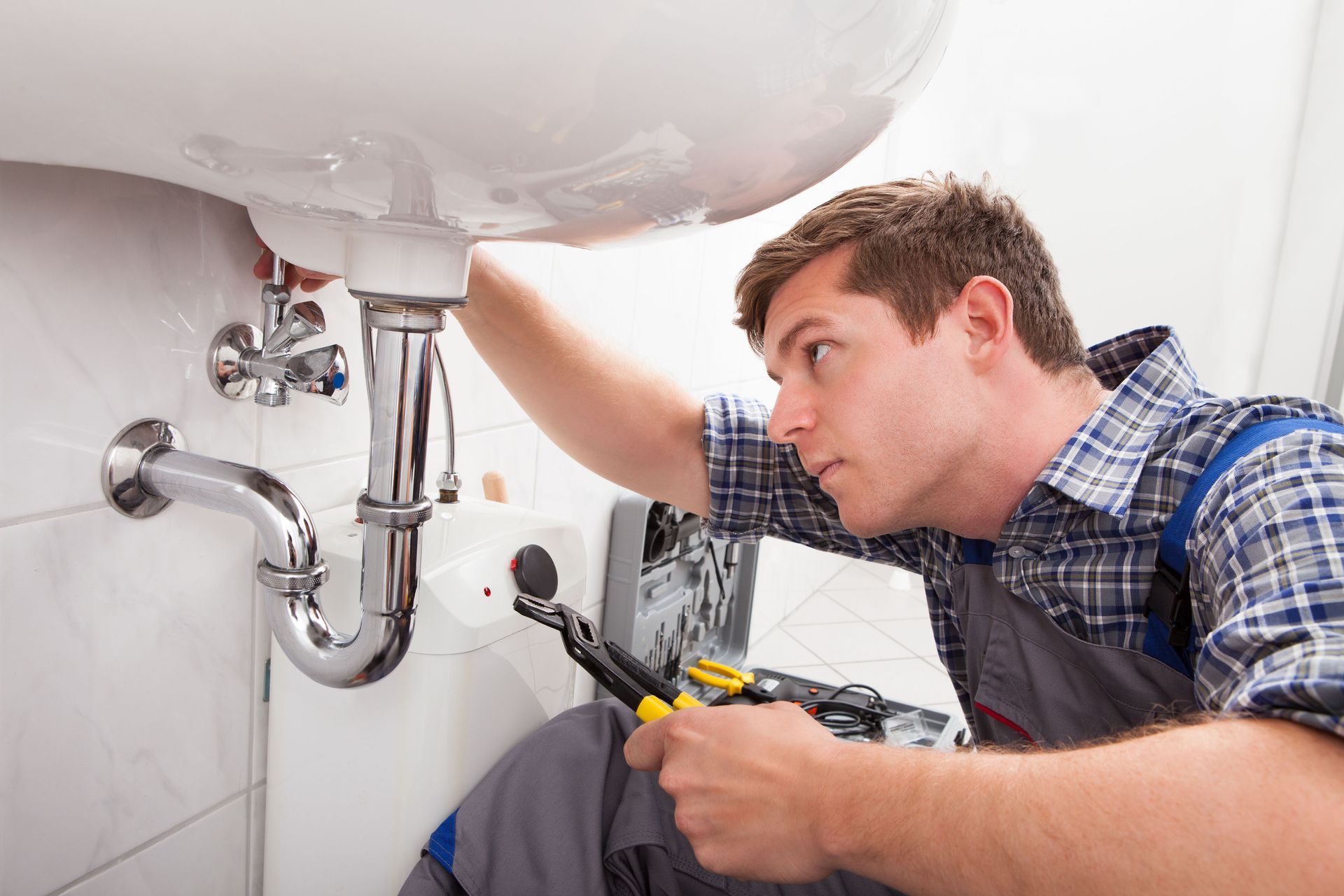
local plumbers
January 2, 2026
Discover how local plumbers protect your water systems with expert inspections, timely repairs, and preventative maintenance for safe, reliable performance.