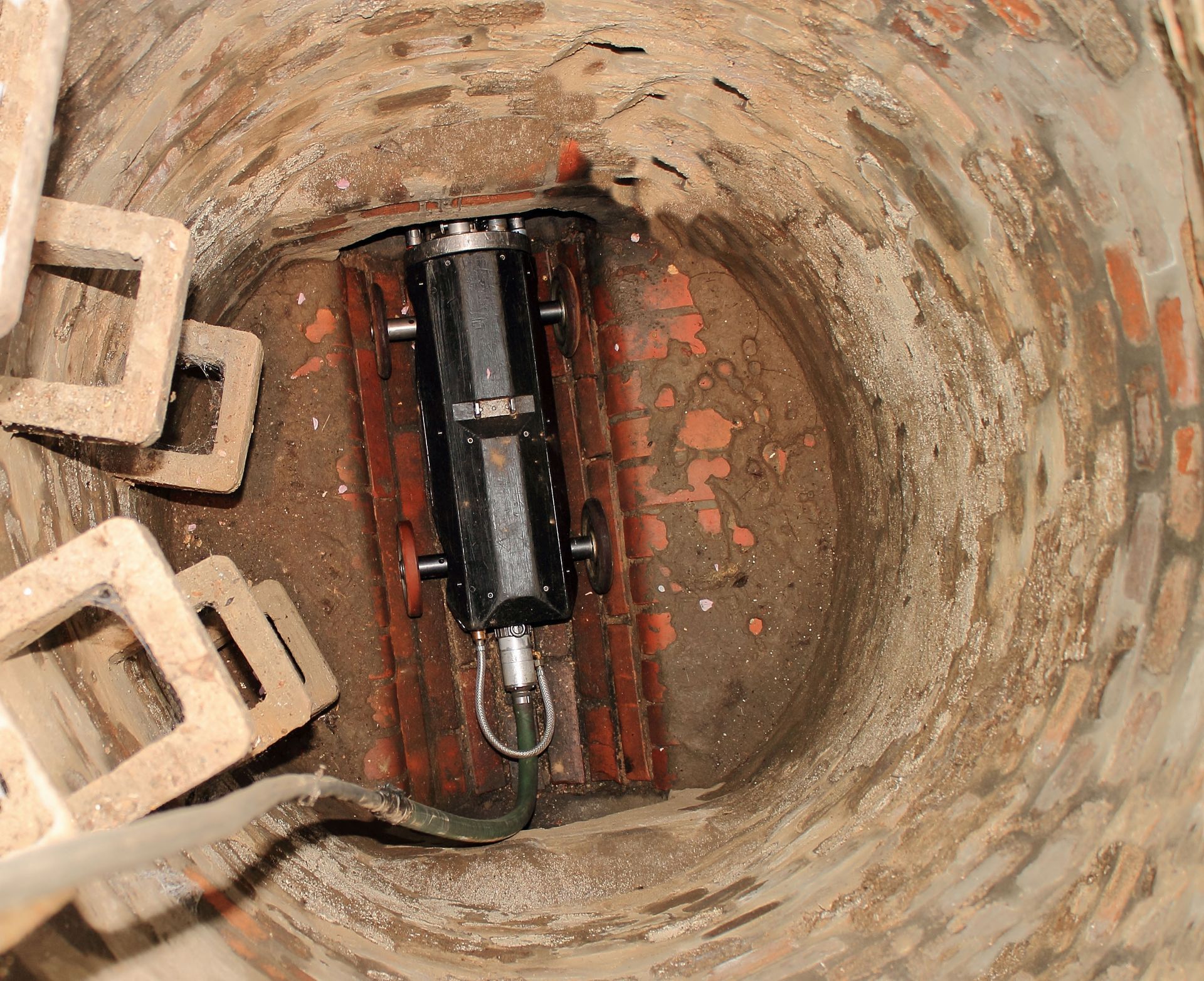
How Local Plumbers Keep Your Water Systems Safe
January 2, 2026

January 2, 2026

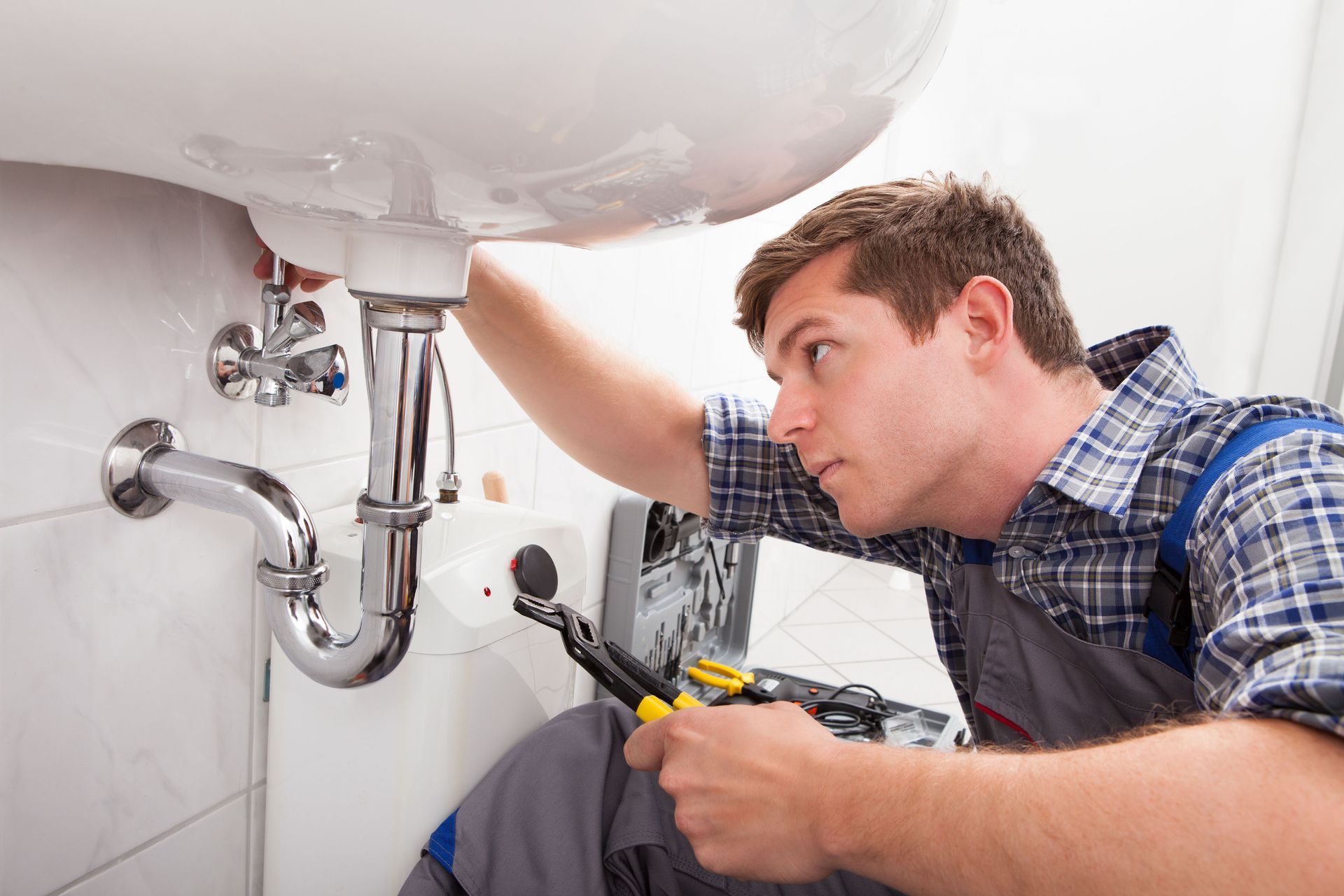
Understanding the importance of maintaining safe and efficient water systems is crucial for every homeowner. Local plumbers play an essential role in ensuring that these systems operate smoothly, safely, and in compliance with health regulations. From routine inspections to emergency repairs, their expertise keeps homes running efficiently while preventing costly damages. This article highlights the various ways local plumbers safeguard water systems, enhance efficiency, and protect your household.


Maintaining Water System Components

Pipes and fittings are the backbone of any home plumbing system, responsible for transporting water throughout the house. Local plumbers understand the importance of choosing the right materials based on durability, water quality, and local building codes. Proper connections and secure fittings prevent leaks that could lead to structural damage or water contamination. A thoughtfully designed plumbing layout reduces the likelihood of bursts, ensures consistent water pressure, and maintains overall system reliability.


Beyond their basic function, pipes and fittings also support the structural integrity of the plumbing network. Degraded or poorly installed pipes can create major issues, from water damage to health risks due to contamination. Local plumbers regularly inspect for corrosion, cracks, or weaknesses, and replace parts before they fail. They also ensure that fittings can handle the system's pressure demands, extending the lifespan of the plumbing and reducing long-term repair costs.


Recent innovations in plumbing materials have made water systems more efficient and reliable. Flexible piping, smart fittings, and leak-detecting technologies allow plumbers to monitor water flow and prevent waste. Local plumbers serve as both technicians and advisors, guiding homeowners toward solutions that combine safety, durability, and sustainability. By integrating these modern methods, homes can enjoy reliable water supply and lower utility costs while reducing environmental impact. These advancements also enable quicker installations and easier maintenance, saving both time and money for homeowners.


Installing and Maintaining Valves and Controls

Valves and controls manage water flow, pressure, and temperature throughout a plumbing system. Local plumbers ensure these components function correctly to prevent problems such as water hammer, pressure fluctuations, or system failures. Properly installed valves allow homeowners to isolate parts of the system for repairs without shutting down the entire water supply. Strategically placed valves also improve accessibility and efficiency, making routine maintenance simpler and more effective.


A well-maintained valve system enhances both safety and performance. Local plumbers check and adjust valves during regular maintenance, ensuring that leaks are avoided and that water flow remains consistent. Advanced options, such as smart valves, can even be monitored remotely, giving homeowners additional control and confidence in their system. Efficient valves also support water conservation, contributing to sustainable household practices.


Valves are particularly critical in emergencies. A reliable shutoff system can prevent extensive damage during pipe bursts or other failures. Local plumbers educate homeowners on operating valves manually when necessary and ensure that each valve is in optimal condition. This preventive approach minimizes risks, helping families feel secure and prepared.


Performing Regular Maintenance and Inspections

Water heaters are central to household comfort, providing hot water for bathing, cleaning, and cooking. Local plumbers recommend routine checkups to maintain their performance and prevent problems. Sediment buildup, worn-out heating elements, or leaks can reduce efficiency and increase energy costs over time. According to the U.S. Department of Energy (DOE), boilers are used in approximately nine million U.S. households and represent nearly 15% of all residential heating systems.


During maintenance visits, plumbers inspect for gas leaks, test safety valves, and ensure that the system is running efficiently. Older water heaters, if neglected, may pose risks to both safety and property. Skilled local plumbers can identify warning signs that a unit is failing and advise on repair or replacement options. Proper maintenance extends the life of the appliance, enhances efficiency, and prevents inconvenient outages, ensuring households remain comfortable year-round.


Regular inspections of a home's piping system are essential for preventing costly repairs and maintaining water quality. Local plumbers use advanced diagnostic tools, such as video inspection cameras, to detect corrosion, leaks, or blockages in both visible and hidden pipes. They also assess how external factors, including soil movement or temperature shifts, affect the plumbing system. Timely interventions prevent small issues from becoming major problems, protecting both water quality and household safety.


Plumbers also consider protective measures like insulating exposed pipes to prevent freezing in winter or stress from environmental changes. Proper pipe spacing and support are checked to avoid strain and potential breaks. By conducting thorough inspections and providing repair solutions, local plumbers help homeowners maintain consistent water pressure and safe water delivery throughout their homes.


Responding to Emergencies and Providing Repairs

Plumbing emergencies rarely happen at convenient times, making 24/7 availability crucial. Local plumbers provide immediate responses to urgent issues like burst pipes, sewer backups, or flooding. Prompt action is vital to minimize property damage and restore normal water service quickly. Knowing that a skilled professional is just a call away provides peace of mind to homeowners facing unexpected problems.


Emergency plumbing services include fast assessment and problem-solving, ensuring both temporary and permanent solutions. Local plumbers diagnose the root cause and apply fixes efficiently, often explaining preventative measures to homeowners to avoid recurring emergencies. Their readiness to respond at any hour ensures that households are protected from extensive damage, reducing both stress and costs.


Well-equipped plumbers maintain modern tools and training to handle complex repairs. From trenchless pipe technologies to advanced leak detection, their preparedness allows for swift, precise solutions. This combination of expertise and equipment ensures that homes can recover quickly from plumbing disruptions, reinforcing the importance of reliable local plumbers in every community.


Upgrading Efficiency and Ensuring Compliance

Water conservation is a growing concern, and local plumbers help homeowners adopt sustainable practices. Installing low-flow toilets, efficient showerheads, and aerated faucets reduces water use without sacrificing performance. These upgrades not only conserve resources but also lower utility bills over time. With professional guidance, homeowners can choose fixtures that match both their usage needs and budget, contributing to a more environmentally responsible home.


Local plumbers also educate homeowners on behaviors that complement these fixtures, such as promptly fixing leaks and monitoring usage. The combination of efficient hardware and informed habits maximizes conservation efforts. By promoting sustainable plumbing solutions, local plumbers help communities reduce their environmental footprint while maintaining household comfort.


Compliance with plumbing codes protects public health and ensures water systems function safely. Local plumbers are well-versed in local regulations, ensuring that every installation or repair meets current standards. Proper adherence prevents hazards such as backflow contamination, leaks, and material failures. Certified plumbers provide inspections, certifications, and guidance to maintain safe and reliable water systems.


These professionals also educate homeowners about why regulations exist and how proper maintenance protects both property and health. By following these codes, plumbers help prevent structural damage, unsafe water conditions, and costly emergency repairs. Their knowledge ensures that water systems remain compliant, efficient, and safe, reinforcing the value of hiring qualified local plumbers.


Local plumbers are essential in maintaining safe, efficient, and sustainable home water systems. Their expertise spans system components, regular inspections, water quality management, emergency repairs, and adherence to health and safety standards. By working with local professionals, homeowners can protect their property, safeguard their health, and reduce energy and water costs. Trusting local plumbers ensures reliable service, long-term efficiency, and peace of mind for every household. For plumbing services you can rely on, contact B&E Plumbing.

April 25, 2026
Protecting a commercial water supply from contamination is a fundamental responsibility for any property owner or manager. One of the most critical aspects of this process is ensuring that regular backflow testing is performed to verify the integrity of the plumbing system. Backflow occurs when water flows in the reverse direction from its intended path, which can happen due to sudden drops in city water pressure or high-pressure events within a building. When this happens, non-potable substances like chemicals, fertilizers, or stagnant water can be pulled into the clean drinking water supply. This poses a significant risk to the health of employees, customers, and the public. By prioritizing regular backflow testing, a business demonstrates a commitment to high operational standards and safety. These procedures are not just about checking a box for a local utility company; they are about maintaining a resilient infrastructure that can handle the daily demands of a commercial environment. A proactive approach to plumbing safety ensures that the facility remains a safe and reliable space for everyone who enters. Through consistent monitoring and professional oversight, business owners can prevent unforeseen emergencies that might otherwise lead to costly service disruptions or health crises. Water safety is a core component of professional facility management in the modern world. By implementing these rigorous safety protocols, a company secures its future and protects the vital resources it relies on for daily success and long-term sustainability. This dedication to excellence ensures that the business remains a reliable part of the community for years to come. Every business owner should view water safety as a foundational element of their overall facility management strategy. Essential Fundamentals Of Water Safety Backflow represents a critical failure in the plumbing system that can lead to widespread contamination if left unaddressed. This unwanted reverse flow is often the result of changes in pressure within the piping network. In many commercial settings, such as restaurants, medical clinics, and manufacturing plants, the risk is particularly high because of the types of equipment connected to the water lines. Without the proper mechanical barriers and routine backflow testing, there is no way to guarantee that pollutants are not entering the potable water system during a pressure fluctuation. These devices are designed to act as one-way gates, but they are mechanical in nature and can wear down over time. Debris, mineral buildup, or simply the age of the components can cause a valve to fail when it is needed most. This is why a regular testing schedule is so important for identifying these weaknesses before an actual backflow event occurs. By keeping these systems in top condition, a business protects both its physical assets and the people it serves every day. This technical oversight is necessary to maintain the high standards required by modern safety codes and to ensure the plumbing system operates without fail under various conditions. A proactive stance on plumbing safety allows a business to focus on its core goals without the looming threat of a preventable utility crisis. Protecting Public Health Through Verification The introduction of pollutants into a drinking water supply can have devastating consequences for a community. Backflow incidents have been known to introduce everything from boiler chemicals to hazardous bacteria into the water lines of unsuspecting businesses. When these contaminants reach the tap, they can cause serious illness or long-term health complications for anyone who consumes the water. Proper protocols for backflow testing help mitigate these risks by providing a documented verification that the safety devices are working as intended. A company that invests in professional testing is making a clear statement that they value the well-being of their staff and the public. In many cases, the symptoms of water contamination can be subtle at first, leading to a delay in identifying the source of the problem. By the time a backflow event is discovered, the damage to the company's reputation and the health of the community may already be significant. Proactive maintenance and regular inspections allow a business to catch potential failures early, preventing a minor mechanical issue from turning into a public health emergency. This diligence is a cornerstone of responsible business ownership in any industry that utilizes a public water connection for its daily operations. When a company invests in backflow testing, they are actively choosing to protect their local community from preventable waterborne illnesses. Navigating Regulatory Compliance For Stability For most commercial enterprises, staying compliant with local water safety codes is a legal necessity. Municipalities and water purveyors have strict requirements for the installation and maintenance of safety devices to protect the public grid. These rules often mandate that backflow testing be performed by a certified professional on an annual basis. Failing to submit the required paperwork can result in heavy fines, the suspension of water service, or even legal action against the property owner. By maintaining a detailed history of all inspections and repairs, a business can prove its compliance and avoid the administrative headaches associated with code violations. Local authorities keep close track of these records, and being proactive about filing can help a business maintain a positive relationship with city inspectors. It is much easier to manage a planned inspection than it is to deal with the fallout of an expired permit or a failed audit. A well-managed facility is one where all safety certifications are kept up to date, ensuring that operations can continue without interruption. This focus on compliance also protects the business from liability in the event of an unforeseen plumbing incident, as they can prove that they followed all required safety protocols and maintained their equipment to the highest standards. Keeping accurate and accessible records is the only way to safeguard against future legal challenges or regulatory inquiries. Optimizing Mechanical Systems For Efficiency In addition to legal requirements, the efficiency of a building's mechanical systems depends heavily on regular upkeep. According to the U.S. Department of Energy (DOE), staying current with routine boiler upkeep can boost energy effectiveness by approximately one-tenth and substantially increase the operational life of the equipment. In a similar way, regular backflow testing helps ensure that the plumbing system as a whole is functioning at its peak. When a safety valve is clogged with sediment or has a worn gasket, it can cause pressure imbalances that put unnecessary stress on other parts of the system. Identifying and fixing these small issues during a routine test prevents them from escalating into major repairs that could shut down operations. Reliability in the water system translates directly to reliability in the business's overall service delivery and the satisfaction of every customer who visits the facility during standard operating hours. Business owners must understand the importance of regular maintenance for all mechanical systems. Backflow testing is a critical aspect of maintaining a safe and compliant business operation. By understanding the risks, benefits, and regulatory requirements, businesses can safeguard their water supply, ensure customer confidence, and avoid costly liabilities. Adhering to best practices in backflow prevention and consistently engaging qualified professionals ensures effective protection of water systems. Businesses not only mitigate risks and liabilities but also contribute positively to public health and environmental sustainability. In an era where water safety is paramount, proactive backflow testing stands as a testament to responsible business practices and community welfare. By maintaining high standards for every aspect of the plumbing system, a company ensures that its physical infrastructure supports its broader goals for growth and reliability. The investment made in these safety checks is returned through the longevity of the equipment and the continued safety of everyone who uses the facility. Taking a long-term view of water management helps a business avoid the pitfalls of neglect and enjoy the benefits of a well-maintained, high-performance plumbing system. This commitment to safety is a vital part of running a successful and ethical enterprise in today's world. To keep your facility in top shape and remain compliant with all local water safety laws, contact B&E Plumbing today.
local plumber
April 24, 2026
Keep your home’s sewer lines flowing smoothly. Contact B&E Plumbing today for expert inspections and repairs from a trusted local plumber you can depend on!
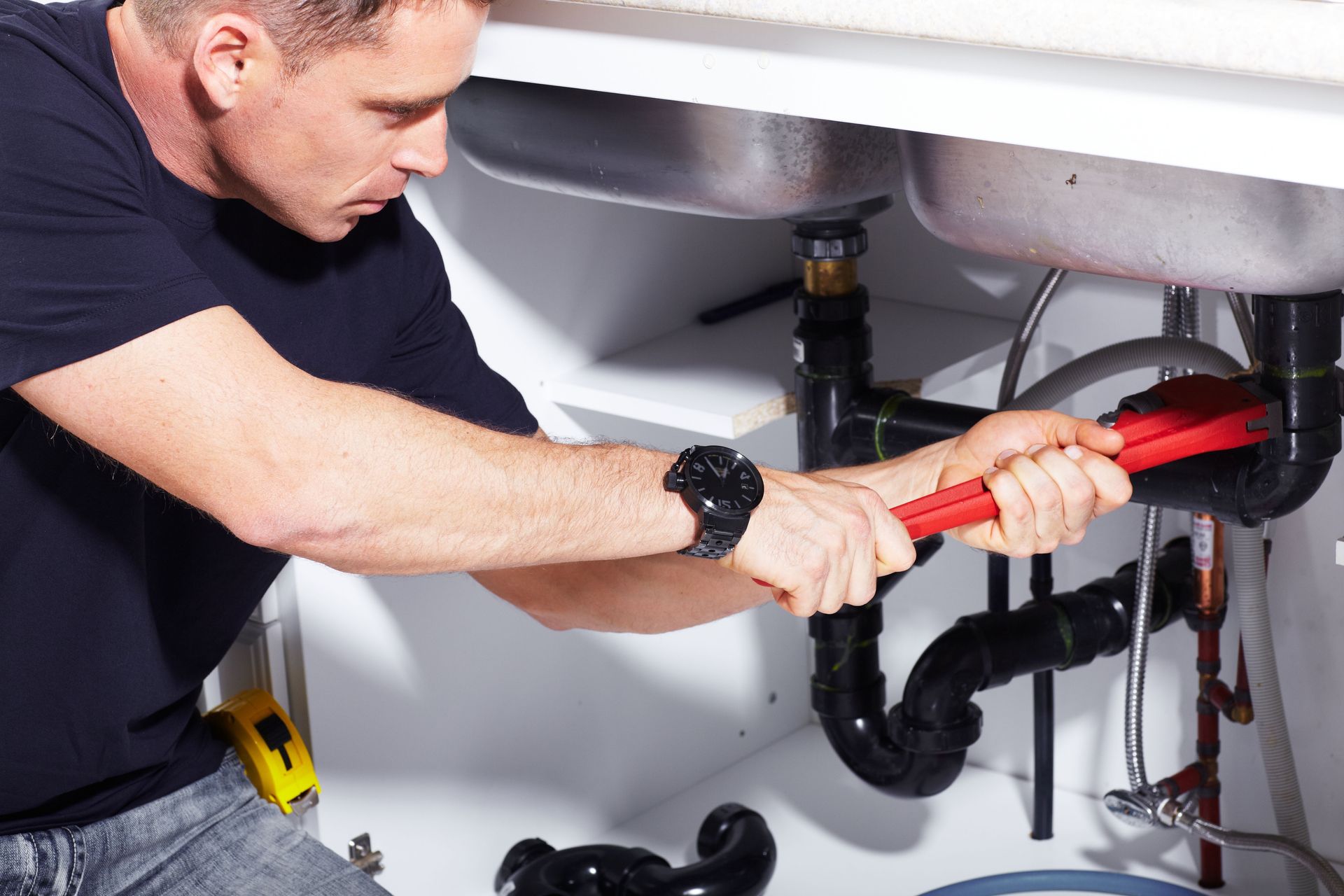
commercial plumbing companies
February 25, 2026
Efficient plumbing systems are foundational to modern commercial buildings. Here's why you should work with professional plumbing companies. Read more!